

Introduction: A Neighborhood with Deep Roots
In the rolling western edge of Danbury, Connecticut, lies the Kenosia neighborhood—an area cherished for its scenic lake views, vibrant community traditions, and echoes of a storied past. While Kenosia’s picturesque setting today draws families and outdoor enthusiasts, its history is woven with tales of transformation, resilience, and a strong sense of place.
Origins of Kenosia: From Farmland to Lakeside Community
Kenosia’s story begins in the late 19th century, at a time when Danbury was rapidly changing from a quiet agricultural town into an industrious city known for hats. The neighborhood takes its name from Lake Kenosia, whose name is believed to have Native American origins. Some local historians say “Kenosia” means “long water,” a fitting tribute to the lake’s shape and significance. The area was once covered with farms, orchards, and sprawling meadows, the land worked by generations of settlers and later, immigrants drawn by the promise of a better life in Danbury’s bustling industries.
Key Historical Milestones
- Lake Kenosia’s Birth as a Resort Area (Early 1900s): With the advent of the trolley line along Kenosia Avenue, city dwellers flocked westward each summer to escape the heat. Lake Kenosia quickly became a popular retreat. The Kenosia Amusement Park, with its dance pavilion, roller coaster, and picnic groves, opened in 1902 and was a beloved destination for decades.
- The Amusement Park Era: The park drew crowds from all over Fairfield County. The echoes of music and laughter over the water made Lake Kenosia a household name. Although the park vanished in the 1930s after a series of fires, its spirit is still felt by older residents who recall stories from their parents and grandparents.
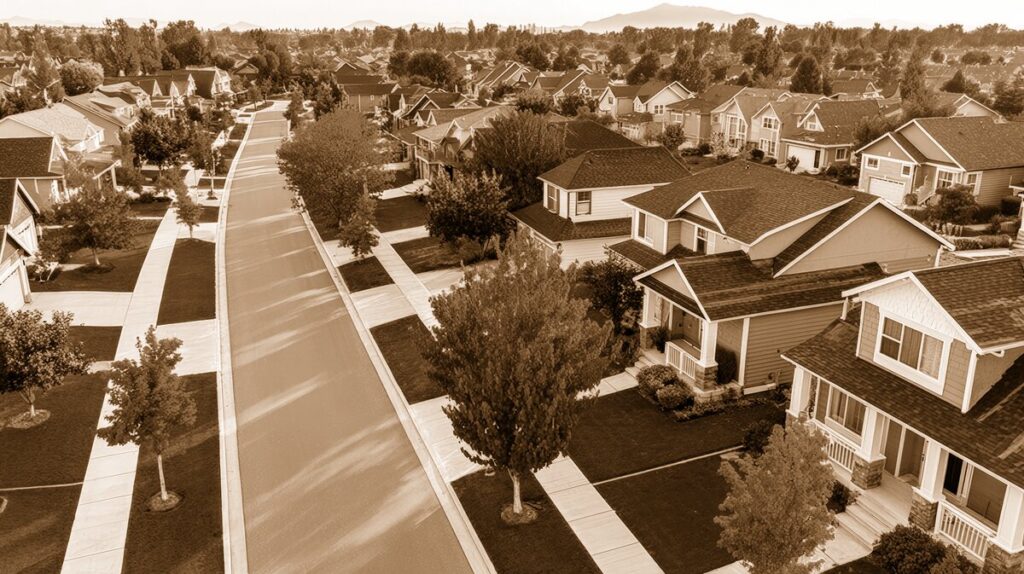
- The Post-War Suburban Boom (1950s – 1970s): Like much of Danbury, Kenosia blossomed in the mid-20th century as new homes, schools, and businesses sprang up along Kenosia Avenue, Mill Plain Road, and Old Ridgebury Road. What was once farmland gave way to tidy ranches and capes, and a new wave of families set down roots.
Notable Landmarks and Buildings
- Lake Kenosia Park: Today, Lake Kenosia Park is the heart of the neighborhood, offering a public beach, picnic pavilions, and a boat launch. In summer, residents may recall the echoes of old-time dance bands while watching community concerts at the lakeside gazebo.
- Old Ridgebury Road: This winding road, one of Danbury’s oldest, once connected distant farms and homesteads. Today, it is lined with an eclectic mix of historic homes and modern developments, standing as a living timeline of the neighborhood’s evolution.
- Mill Plain Union Church: At the corner of Mill Plain Road and Old Ridgebury Road stands this historic church, dating back to the mid-1800s. Its simple wooden steeple and classic New England architecture remind visitors that community has always been at the core of Kenosia.
- Western Connecticut State University – Westside Campus: Established in the 1980s on the neighborhood’s western edge, the university has become a landmark for Kenosia, introducing new energy, diversity, and educational opportunities.
Parks and Outdoor Spaces
What truly sets Kenosia apart, say many longtime residents, is the abundance of green spaces and the lake itself. In addition to Lake Kenosia Park, there are wooded trails winding through the western hills, hidden streams, and the Westside Nature Preserve—a quiet place to spot birds and enjoy the changing seasons.
Evolving Through the Decades
In the last fifty years, Kenosia has gracefully balanced growth with preservation. Development along Kenosia Avenue and Mill Plain Road brought shopping centers and restaurants, but zoning regulations and community spirit have helped protect the lakefront and historic sites. Neighbors on streets like Manor Drive, Hawley Road, and Cedar Drive recall block parties and neighborhood clean-ups, traditions passed down over generations.
Today, the community is a blend of original residents, young families, and new arrivals from around the globe. The sharing of cultures is seen in the variety of local eateries and annual multicultural fairs held at area schools and parks.
Why Kenosia Remains Special
Ask any resident what they love about Kenosia, and you’ll hear stories of swimming in Lake Kenosia as a child, catching fireflies in quiet backyards, or walking to Mill Plain Green for local events. There is a sense of stewardship—residents take pride in maintaining not only their homes and gardens but also the community’s welcoming spirit.
The neighborhood remains closely knit, with neighbors quick to lend a hand or share a story about the “old days.” Children still sled down gentle hills in winter, just as their grandparents once did. And as the sun sets over Lake Kenosia, painting the water with fiery gold, it’s easy to understand why so many people have chosen to make their homes here.
Conclusion: Preserving the Heart of Kenosia
Kenosia’s history is not just in its landmarks or the fading sepia photographs of trolley days and amusement rides. The true heritage of this neighborhood is found in its ongoing story—a community that values its past while embracing the future. Whether you’re drawn by the serenity of Lake Kenosia, the charm of its historic streets, or the camaraderie of its residents, you’ll find that Kenosia’s warm lakeside heart welcomes all who venture its way.